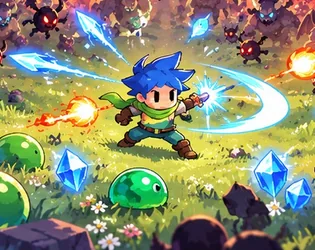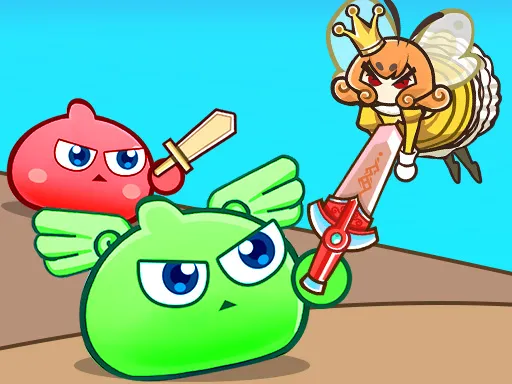
Slime Assembly Endless is an elemental roguelike survival game you play free in a browser tab. You guide cute slime fighters through themed chapters while monster waves keep arriving and upgrades keep rewriting how those slimes hold a stage. The fantasy sits next to classic survivors: short combat climbs, rising density, and a build that changes every successful push. The run ends when a stage breaks your kit, or when you stop climbing the chapter ladder to tweak talents and gear in the hub.
Chapters, waves and the slime kit
The first minutes are tutorial noise and then a stage name. Forest routes and similar chapter labels are not a long story campaign so much as a map of escalating arenas. Each stage asks the same survivors question: can this slime assembly clear the wave pressure long enough for the next upgrade beat to matter?
Drag-to-move keeps the control surface thin. You are not learning a twelve-button spell bar. You are placing the slime where the pack is thinnest and letting the combat systems—auto patterns, assembled weapons, elemental roles—do the damage while you route. That is the near-neighbor contract: movement and build choices dominate; twitch aiming is not the headline skill.
Endless mode is the honest endgame pitch. Chapters teach the elemental toys. Endless asks whether those toys still work when the spawn rate stops being polite. Players who only clear the first forest map and quit will miss the part where upgrade debt shows; players who push endless will feel why the hub panels exist.
Upgrades in the chaos and in the hub
Survivors-likes split power between in-run cards and between-run meta. Slime Assembly Endless leans into both. During stages you still chase the usual “one more upgrade and this wave is free” feeling. Between stages the hub exposes talent, equip, artifact and store style panels so a failed climb can still leave a permanent or semi-permanent improvement for the next try.
That double layer changes how deaths feel. A dead stage is not only a bad card order; it can also be a reminder that the slime’s talent line never covered the elemental hole the chapter wanted. Spend a minute in the hub before you mash Start again. The cute art hides a spreadsheet of small bonuses the same way many mobile survivors do.
Equipment and artifacts are not documented here as exact percentage tables—the listing does not publish a full numeric sheet. Treat them as named levers that change clear speed and forgiveness. If a stage still collapses after a hub visit, the problem is usually coverage (wrong element, wrong slot) rather than a hidden aim mechanic you failed to click.
Reading the stage UI
Currency chips, task panels, gift chests and album buttons will look familiar if you have opened any modern HTML5 survivors hub. Ignore the chrome until you need it. The combat-relevant read is the stage island, the progress pressure along the top of a climb, and the upgrade prompts that appear when a level or clear rewards you.
Dialogue pop-ins introduce characters and chapter flavor. Tap through them once; they are not the skill ceiling. The skill ceiling is knowing when to leave a stage attempt early to unlock a hub upgrade versus forcing one more wave with a half-built slime. That judgment is the same muscle Dreamland Survivors trains with bad early weapon picks.
Click the game frame so drags stay inside the embed. If the page scrolls instead of the slime moving, focus is the usual culprit. Sound toggles live on the stage chrome if the default mix is too loud for a browser session beside other tabs.
Where it sits next to other survivors
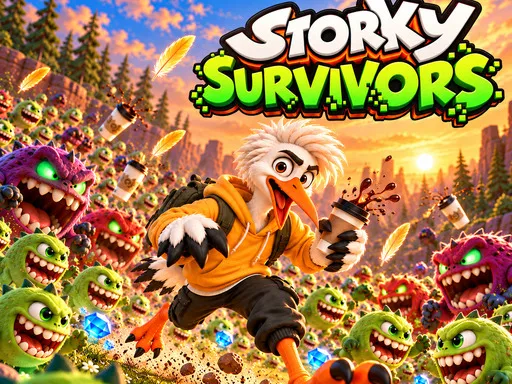
Storky Survivors keeps a cleaner “one hero, auto weapons, gems, bosses” desktop survivors loop. Slime Assembly Endless wears a mobile hub costume—talents, artifacts, chapter maps—around a similar survive-and-upgrade heart. If you want minimal menus and maximum WASD, start with Storky. If you like elemental slime cosmetics and chapter ladders, stay here.
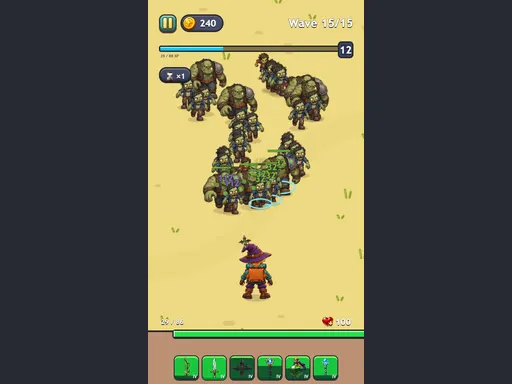
Dreamland Survivors is the pixel cousin with a wider weapon-portal fantasy. Deadpack relocates decisions into a backpack grid before automatic combat. Slime Assembly Endless keeps decisions in stage routing plus hub loadout, which is closer to popular mobile survivors than to inventory auto-battlers.
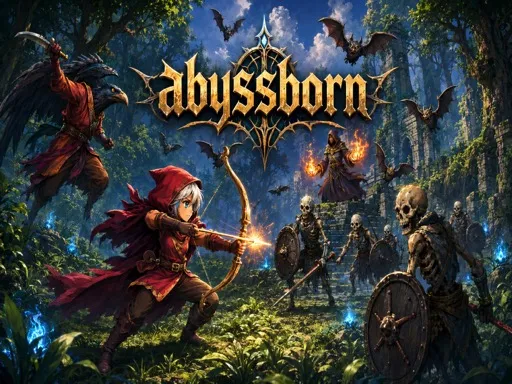
Abyssborn remains the short archery browser cousin: almost no hub, almost all in-run cards. Use it when you want a five-minute bow run without talent trees. Use Slime Assembly Endless when you want a longer session that grows a slime account across chapters.
Why another chapter still feels fresh
The draw is not a new movement verb. The draw is how differently the same drag control feels once an elemental line, a talent bump and a stage-specific upgrade order stack into a new answer for the same wave clock. One chapter clears because the slime’s kit shreds crowds. The next chapter demands a different coverage slot you postponed in the hub.
Because stages are bite-sized and the hub is always one tap away, failed climbs are cheap tuition. You learn which early upgrades paper over bad positioning, which chapters punish mono-element greed, and when endless mode is a boast versus a brick wall. bestgames.com is credited on the GameMonetize catalog page; that host also serves the embed used here. Cover art credit follows the listing. Play in the frame above when you want a cute elemental survivors session with chapter waves and upgrade stacking.